
Creatine Monohydrate: how it works, benefits and side effects
A plain-language, science-based guide to creatine monohydrate: what it does inside the muscle, the proven benefits, side effects and common myths.
6 min read · 20 Sept 2026
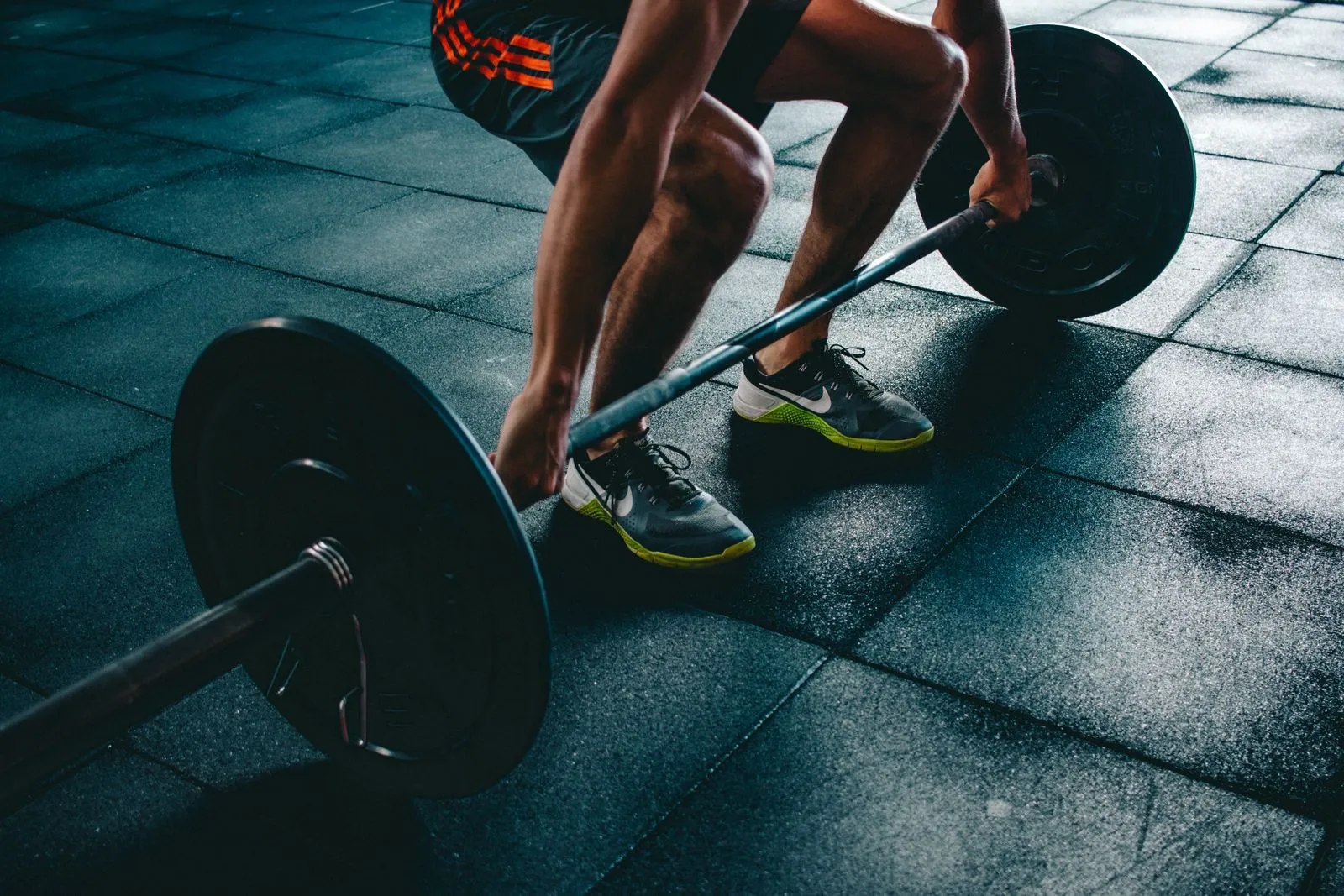
Creatine monohydrate is the most researched supplement in sports nutrition, and one of the few with consistently proven effects.
How does creatine work?
Your muscles use ATP (adenosine triphosphate) as fast energy. During heavy efforts like a squat or a sprint, ATP stores run out within seconds.
Creatine raises phosphocreatine stores in the muscle, helping the body regenerate ATP faster — so you can do more reps at the same weight.
Proven benefits
- Greater strength and power output.
- Better performance in short, high-intensity training.
- More lean body mass when combined with regular training.
- Early research suggests benefits for cognitive function.
Possible side effects
- Slight weight gain from water stored inside the muscle (intracellular water) — this is normal and is not fat.
- Mild stomach upset if a large amount is taken at once.
- People with kidney disease should talk to their doctor first.
Common myths
Does creatine damage the kidneys? Studies in healthy people have not shown kidney harm at normal intakes, but blood creatinine can read slightly higher because it is a breakdown product of creatine itself.
Do I need a loading phase? No. Loading saturates the muscle faster, but consistent daily use reaches the same level within 3–4 weeks.
This article is for educational purposes only and is not a substitute for advice from a doctor or dietitian.